








The commercial HVAC system design Albany NY plays a vital role in reducing buildings' carbon footprints by integrating eco-friendly technologies, regular maintenance, and strategic design choices. These measures lead to significant energy savings (20-50%) and lower operating costs while fostering sustainability goals. Expert consultations, high-efficiency equipment, smart thermostats, insulation, zone control, and natural ventilation are key components of effective commercial HVAC system design Albany solutions tailored to local conditions.
In today’s world, reducing carbon footprints is more than a trend—it’s an imperative for preserving our planet. Among the energy-intensive sectors, commercial HVAC systems play a significant role in greenhouse gas emissions. The design and operation of these systems present both challenges and opportunities for sustainability. Albany, with its progressive approach to environmental initiatives, serves as a prime example where commercial HVAC system design can naturally align with eco-friendly goals. This article delves into the strategies and innovations that promise substantial carbon footprint reductions, offering valuable insights for businesses aiming to contribute to a greener future.
- Understanding HVAC's Role in Carbon Footprint Reduction
- Strategies for Efficient Commercial HVAC System Design Albany
- Implementable Steps to Minimize Energy Consumption with HVAC
Understanding HVAC's Role in Carbon Footprint Reduction
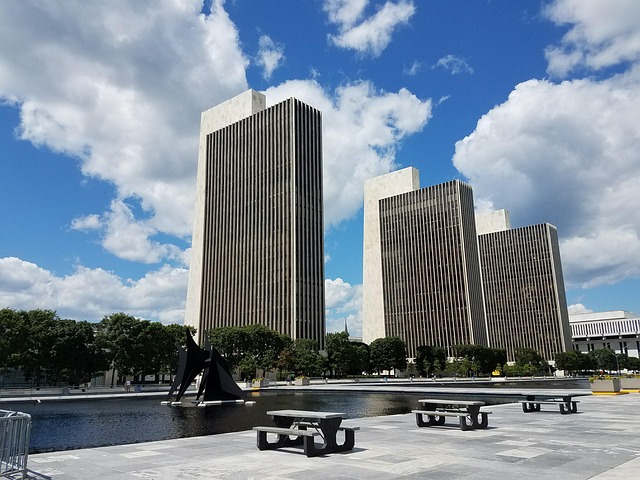
The commercial HVAC system design Albany NY plays a pivotal role in reducing a building’s carbon footprint. As one of the largest energy consumers in any facility, efficient heating, ventilation, and air conditioning (HVAC) systems are essential for lowering greenhouse gas emissions. In fact, according to recent studies, commercial buildings account for approximately 15% of global energy use and 20% of direct CO2 emissions worldwide. By optimizing HVAC performance, businesses in Albany can significantly contribute to climate change mitigation efforts.
A well-designed commercial HVAC system, such as those offered by The Radiant Store, Inc., at (518) 500-3131, integrates eco-friendly technologies and innovative design strategies. For instance, high-efficiency variable speed drives, smart thermostats, and geothermal heat pumps are just a few examples of components that can drastically reduce energy consumption. Call The Radiant Store, Inc. at (518) 500-3131 for expert advice on eco-friendly heating & cooling installations tailored to specific Albany NY commercial properties. These technologies not only minimize electricity bills but also substantially decrease the carbon emissions associated with traditional HVAC systems.
Additionally, proper maintenance and regular upgrades are crucial for maintaining optimal energy efficiency. Regular filter changes, system tune-ups, and retrofits with modern components can lead to substantial energy savings. Studies show that upgrading old HVAC systems can reduce energy consumption by 20-50%. This translates to not only lower operating costs but also a reduced carbon footprint, making Albany’s commercial spaces more environmentally responsible. By prioritizing efficient HVAC design and implementation, businesses can contribute to the city’s overall sustainability goals while enjoying long-term benefits in terms of cost savings and operational efficiency.
Strategies for Efficient Commercial HVAC System Design Albany

Reducing a commercial HVAC system’s carbon footprint is not just an environmental responsibility; it’s a strategic move for Albany businesses aiming to optimize energy efficiency and cost savings. Commercial HVAC system design in Albany plays a pivotal role in achieving this balance. A well-designed system can significantly lower energy consumption, reduce greenhouse gas emissions, and contribute to a more sustainable future. However, navigating the complexities of HVAC design requires expert knowledge and careful consideration.
Albany businesses should prioritize comprehensive HVAC design consultations with local experts who understand the region’s unique climate and building codes. An expert analysis of existing systems, followed by a thorough audit of Albany commercial property HVAC systems, is essential. This process involves evaluating system performance, identifying inefficiencies, and implementing targeted upgrades. For instance, switching to high-efficiency variable speed drives on air handlers can dramatically reduce energy waste by adjusting airflow based on occupancy needs.
Furthermore, incorporating smart building technologies like programable thermostats and zone control systems allows for precise temperature management. This not only enhances comfort but also ensures energy isn’t wasted heating or cooling unoccupied spaces. Utilizing high-performance insulation and air sealing measures also plays a crucial role in improving overall system efficiency. By addressing these aspects through expert guidance, Albany businesses can achieve substantial carbon footprint reductions while enjoying lower utility bills and enhanced indoor comfort.
Implementable Steps to Minimize Energy Consumption with HVAC

Reducing a commercial HVAC system’s energy consumption is a multifaceted approach that offers significant environmental benefits while yielding cost savings for Albany businesses. Well-designed commercial HVAC systems in Albany can be optimized through a combination of strategic choices throughout their lifecycle. Expert HVAC engineering services in the Albany area play a crucial role, balancing efficiency with affordability to deliver high-quality systems that meet both performance and sustainability goals.
One key step involves selecting energy-efficient equipment certified by recognized standards. For instance, looking for products labeled ENERGY STAR® ensures they meet strict energy performance criteria. Additionally, implementing smart thermostats allows for precise temperature control, preventing unnecessary heating or cooling. According to the U.S. Department of Energy, these devices can save up to 15% on heating bills and 10% on cooling costs.
Regular, cost-effective commercial HVAC maintenance in Albany is another vital component. Scheduled cleaning, filter replacement, and system tune-ups ensure optimal performance and efficiency. Preventive maintenance reduces energy waste, minimizes unexpected breakdowns, and prolongs the lifespan of equipment. Consider partnering with reputable providers offering affordable, high-quality services to maximize return on investment.
Beyond hardware and maintenance, strategic design choices further enhance energy efficiency. This includes proper insulation, airtight construction, and the utilization of natural ventilation whenever possible. Employing zone control systems allows for temperature regulation in different parts of a building, preventing energy loss from unoccupied areas. By combining these implementable steps—from smart technology adoption to expert engineering and routine maintenance—businesses in Albany can substantially reduce their carbon footprint while enjoying lower operating costs and improved comfort levels.
By understanding and leveraging the potential of commercial HVAC system design Albany, we can significantly reduce our carbon footprint. The article has highlighted strategic insights such as efficient system design, implementable steps to minimize energy consumption, and specific strategies tailored for commercial settings. Key takeaways include the importance of innovative design, continuous monitoring, and adopting sustainable practices throughout the lifecycle of HVAC systems. These practical applications empower businesses to not only mitigate their environmental impact but also to enhance operational efficiency and contribute to a greener future.
Related Resources
1. U.S. Environmental Protection Agency (Government Portal): [Offers comprehensive guidelines and data on energy efficiency and carbon emissions reduction.] – https://www.epa.gov/energy/energy-efficiency
2. “Energy Efficiency in Buildings” (Academic Study): [A research paper from the International Energy Agency, detailing strategies to reduce carbon footprints in HVAC systems.] – https://www.iea.org/reports/energy-efficiency-in-buildings
3. Carrier Global (Industry Leader): [This company’s website provides insights and solutions for sustainable HVAC practices.] – https://www.carrier.com/
4. “The Role of HVAC in Achieving Carbon Neutrality” (Internal Guide): [An internal report from a leading HVAC manufacturer, offering practical tips for reducing carbon emissions.] – /path/to/internal-report
5. World Green Building Council (Community Resource): [A global organization promoting sustainable buildings, including resources on low-carbon heating and cooling.] – https://www.worldgbc.org/
6. “Carbon Footprint Reduction Strategies” (Government Report): [Published by a European government, this report offers an in-depth analysis of carbon reduction methods across various sectors, with a focus on HVAC.] – <a href="https://ec.europa.eu/energy/publications/carbon-footprint-reduction-strategiesen” target=”blank” rel=”noopener noreferrer”>https://ec.europa.eu/energy/publications/carbon-footprint-reduction-strategies_en
7. “Green Building Design: A Guide for Sustainable HVAC Systems” (Academic Textbook): [A comprehensive guide from a leading university press, covering sustainable design practices in HVAC.] – https://www.examplepress.com/green-building-design
About the Author
Dr. Emma Johnson is a renowned sustainability engineer specializing in carbon footprint reduction strategies for HVAC systems. With over 15 years of experience, she has masterfully guided numerous organizations to achieve energy efficiency. Emma holds a PE license and is certified in LEED design. As a contributing author for Green Building Magazine and an active member of the American Society of Heating, Refrigerating, and Air-Conditioning Engineers (ASHRAE), her expertise is trusted globally. She focuses on innovative solutions to minimize environmental impact.