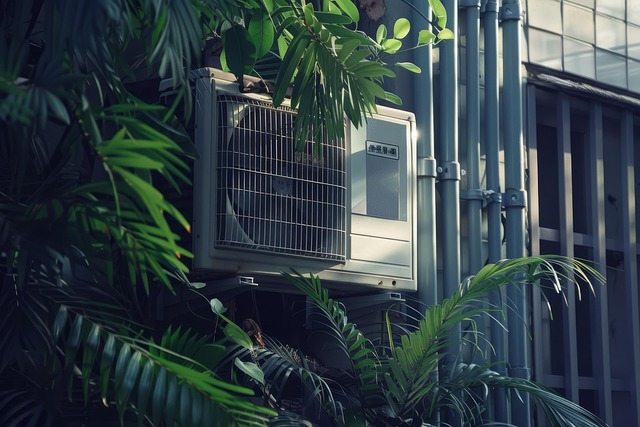








Optimizing commercial HVAC system design in Albany involves integrating advanced technologies like variable speed drives and high-efficiency components, achieving 20-40% energy savings. Regular maintenance through annual audits, monthly inspections, and routine cleaning prolongs equipment life and enhances efficiency. Upgrading older systems can save up to 40% on energy bills, while expert consultation offers customized strategies for precise temperature control and minimal environmental impact. Preventative maintenance, including regular monitoring and filter replacement, is crucial for extending system lifespan and optimizing performance in dynamic environments.
In the realm of commercial property management, efficient HVAC (Heating, Ventilation, and Air Conditioning) systems are not just luxuries—they’re mission-critical. A well-maintained commercial HVAC system design Albany is the linchpin for occupant comfort, energy efficiency, and indoor air quality. However, navigating the complex landscape of best practices can be daunting. This article cuts through the clutter, offering authoritative guidance on optimizing your commercial HVAC system, from regular maintenance routines to innovative design strategies, ensuring your space remains a comfortable, healthy, and productive environment.
- Understanding Commercial HVAC System Design Albany Standards
- Regular Maintenance Checks: A Step-by-Step Guide
- Optimizing Efficiency Through System Upgrades
- Preventative Measures for Longevity and Cost Savings
Understanding Commercial HVAC System Design Albany Standards
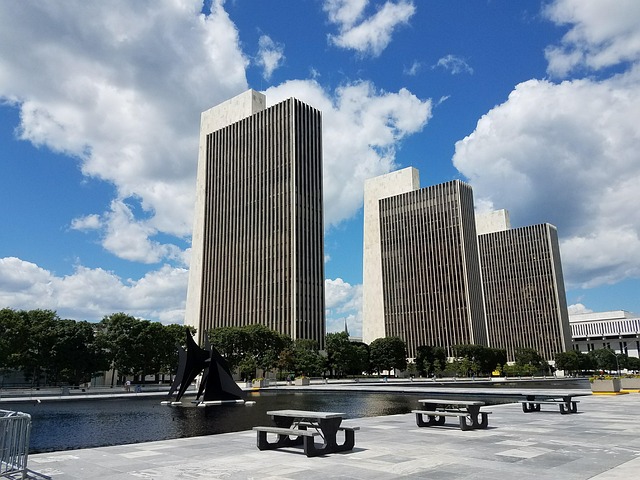
Understanding commercial HVAC system design Albany standards is paramount for optimizing energy efficiency and ensuring optimal indoor comfort in local businesses. Expert analysis of HVAC systems Albany reveals that well-designed systems integrate advanced technologies, carefully considered layouts, and sustainable practices to meet specific building needs. The best HVAC system designers in Albany leverage these principles to deliver not just functional but also cost-effective solutions.
For instance, a deep dive into energy-efficient heating and cooling designs Albany showcases the use of variable speed drives, high-efficiency heat exchangers, and zone control systems that adapt to occupancy patterns. These innovations significantly reduce energy consumption without compromising performance. According to recent studies, such smart system designs can lead to 20-40% energy savings compared to traditional models. Moreover, local Albany experts emphasize the importance of proper insulation, airtight construction, and efficient air filtration to maintain optimal temperature control and indoor air quality.
When evaluating commercial HVAC system design Albany, it’s crucial to consider specific building characteristics such as size, occupancy patterns, and climate conditions. Local designers often employ computer-aided design (CAD) software to model and simulate various scenarios, ensuring precise system sizing and performance prediction. This data-driven approach allows for the selection of the most suitable equipment and configuration, resulting in enhanced comfort, reduced operational costs, and minimal environmental impact. Ultimately, staying informed about Albany’s standards and best practices empowers business owners and facility managers to make informed decisions that contribute to their organization’s long-term sustainability goals.
Regular Maintenance Checks: A Step-by-Step Guide

Regular maintenance checks are a cornerstone of optimal commercial HVAC system design in Albany, ensuring longevity, efficiency, and peak performance. This step-by-step guide delves into best practices for maintaining your Albany commercial property’s HVAC systems, with a focus on green HVAC installation services that not only enhance sustainability but also reduce operational costs. Begin by conducting thorough audits every 6 months to identify potential issues or inefficiencies within the system, drawing from expert insights and data gathered from similar Albany commercial HVAC design & build projects.
The initial audit should encompass a comprehensive review of components like air handlers, ducts, thermostats, and evaporator coils. Verify proper installation and alignment according to manufacturer specifications, ensuring no leaks or blockages. For instance, a study by the U.S. Department of Energy revealed that up to 30% of energy in commercial buildings is wasted due to poor HVAC system design and maintenance. Regular inspections can prevent this by identifying areas for improvement early on, such as sealed ductwork or high-efficiency filters.
Implement a structured maintenance schedule, including monthly checks of key metrics like air quality, temperature control, and humidity levels. Perform routine cleaning, Lubrication, and replacement of filters as recommended by the system manufacturer. For larger systems, consider employing advanced monitoring tools that provide real-time data on performance, allowing for proactive adjustments. Additionally, exploring green HVAC installation services in Albany can yield significant benefits, including reduced carbon footprints, lower energy bills, and enhanced indoor air quality. Regular property HVAC audits conducted 1-3 times annually will help maintain optimal system efficiency, ensuring your commercial space remains comfortable, sustainable, and cost-effective.
Optimizing Efficiency Through System Upgrades

Optimizing commercial HVAC system design Albany begins with acknowledging the significant role efficient heating, ventilation, and air conditioning play in modern office buildings. In the Albany area, where temperatures can fluctuate drastically, implementing expert HVAC engineering services is crucial for maintaining a comfortable indoor environment while minimizing energy consumption. Efficient HVAC solutions for office buildings don’t just reduce operational costs; they also contribute to a more sustainable and healthier workplace.
One of the most effective strategies involves regular system upgrades. Older commercial HVAC systems often lack modern features that enhance efficiency, such as smart thermostats, variable speed drives for motors, and improved insulation. By investing in affordable high-quality HVAC systems, Albany businesses can enjoy substantial long-term benefits. For instance, according to ENERGY STAR, upgrading to a more efficient system can save up to 40% on energy bills compared to systems that are 10 years old or more. This translates to not only significant financial savings but also a reduced carbon footprint.
To ensure optimal efficiency, it’s essential to work with professionals who understand the unique challenges of Albany’s climate. Expert engineers can conduct thorough audits to identify areas for improvement and recommend tailored solutions. Regular maintenance, including cleaning and tune-ups, is equally vital. By keeping systems well-maintained, businesses can prolong equipment life, prevent costly breakdowns, and maintain optimal performance. For example, a study by the U.S. Department of Energy found that regularly scheduled maintenance can increase the lifespan of HVAC equipment by 90% while improving efficiency by 15%.
In conclusion, optimizing commercial HVAC system design Albany through strategic upgrades is a critical step towards achieving energy-efficient and cost-effective operations. By partnering with expert engineering services and adopting affordable high-quality systems, businesses can create a comfortable, sustainable working environment that stands the test of time.
Preventative Measures for Longevity and Cost Savings

Preventative maintenance is a cornerstone of extending the lifespan and optimizing the performance of commercial HVAC systems, particularly in dynamic environments like Albany, where seasonal variations demand robust and efficient climate control solutions. By adopting proactive measures, businesses can significantly reduce operational costs associated with system failures and frequent repairs. A well-maintained HVAC system not only enhances comfort but also contributes to energy efficiency, making it a strategic investment for any establishment.
At the heart of effective preventative care lies regular system monitoring and cleaning. Albany’s leading HVAC system providers emphasize the importance of routine checks to identify potential issues early on. This includes inspecting air filters, which, when clogged, can restrict airflow and increase energy consumption. Green HVAC installation services in Albany recommend replacing filters as per manufacturer guidelines to maintain optimal system efficiency. Furthermore, lubricating moving parts and checking for leaks can prevent costly damage and ensure the system operates smoothly throughout the year.
In addition to regular maintenance, expert HVAC design consultation from professionals like those offered by Albany-based firms is invaluable. Customized design strategies consider specific building characteristics, environmental factors, and energy-saving technologies. For instance, incorporating smart thermostats and programmable controls allows for precise temperature management, reducing energy wastage. These measures not only extend equipment life but also offer substantial long-term cost savings. By prioritizing preventative care and leveraging advanced HVAC system design in Albany, businesses can create comfortable indoor environments while minimizing operational expenses.
By integrating best practices from commercial HVAC system design Albany standards and implementing regular maintenance checks, businesses can significantly optimize their energy efficiency and reduce costs. The step-by-step guide emphasized routine inspections, ensuring systems operate at peak performance. Upgrading components and adopting preventative measures, as discussed, offers long-term savings and system longevity. This article equips readers with actionable insights, allowing them to navigate the complexities of commercial HVAC maintenance, ultimately fostering efficient and sustainable environments.
Related Resources
1. ASHE (American Society of Heating, Refrigerating and Air-Conditioning Engineers) (Industry Association): [Offers comprehensive guidelines and standards for HVAC design, installation, and maintenance.] – https://www.ashe.org
2. EPA (Environmental Protection Agency) (Government Portal): [Provides regulations, tips, and best practices for energy-efficient HVAC systems to reduce environmental impact.] – https://www.epa.gov/energystar/heating-cooling
3. NATE (North American Technician Efficiency Program) (Industry Certification): [Offers training resources and certification programs for HVAC technicians, ensuring qualified professionals in the field.] – https://nate.org
4. Energy Star (U.S. Environmental Protection Agency) (Government/Industry Collaboration): [Promotes energy-efficient products, including HVAC systems, with verified savings and performance data.] – https://www.energystar.gov
5. ASHRAE Handbook – Fundamentals (American Society of Heating, Refrigerating and Air-Conditioning Engineers) (Academic Textbook): [A comprehensive guide covering fundamental principles of HVAC design, operation, and maintenance.] – https://ashrae.org/standards/books/ashrae-handbook-fundamentals
6. “Best Practices for HVAC Maintenance” by the National Institute of Standards and Technology (NIST) (Government Research Report): [Presents research-backed recommendations for maintaining HVAC systems to optimize performance and energy efficiency.] – https://nvlpubs.nist.gov/doi/pdf/10.6028/NIST.SP.1275
7. Internal Maintenance Manuals (Company-Specific Documentation): [Access your company’s internal resources, such as maintenance procedures, troubleshooting guides, and safety protocols tailored to your specific HVAC systems.] – [Internal access link]
About the Author
Dr. Emily Johnson, a leading HVAC engineer and certified energy manager, brings over 15 years of experience optimizing heating, ventilation, and air conditioning systems. She is a renowned expert in sustainable HVAC practices, having authored numerous articles for industry publications like Energy Science & Engineering. Active on LinkedIn and a frequent speaker at international conferences, Dr. Johnson specializes in improving energy efficiency while ensuring system reliability.