








Effective commercial HVAC system design Albany is essential for energy efficiency, comfort, and sustainability. Key strategies include advanced technologies like intelligent controls, geothermal heat pumps, and high-efficiency VRF systems, reducing energy consumption by up to 20%. Regular audits, maintenance, and strategic design principles tailored to the local climate enhance efficiency, with potential savings of 5-30%. Businesses should seek professional consultation for tailored solutions aligning with Albany's commitment to sustainable practices.
In the ever-evolving commercial real estate landscape, efficient and effective HVAC system design Albany remains a cornerstone for optimal indoor environments. Commercial HVAC systems not only regulate temperature and humidity but also significantly impact energy costs, occupant comfort, and building sustainability. However, navigating the complex world of advanced HVAC technologies can be daunting. This article provides an in-depth exploration of leading HVAC technology tailored for commercial spaces, offering insights that guide informed decisions for Albany’s ever-growing business community. By understanding the latest innovations, we empower property managers and facility leaders to design resilient, energy-efficient, and comfortable working environments.
- Understanding Commercial HVAC System Design Fundamentals in Albany
- Advanced Technologies Transforming Commercial Spaces: An Albany Perspective
- Optimizing Comfort and Efficiency: Best Practices for Albany's Commercial HVAC Systems
Understanding Commercial HVAC System Design Fundamentals in Albany
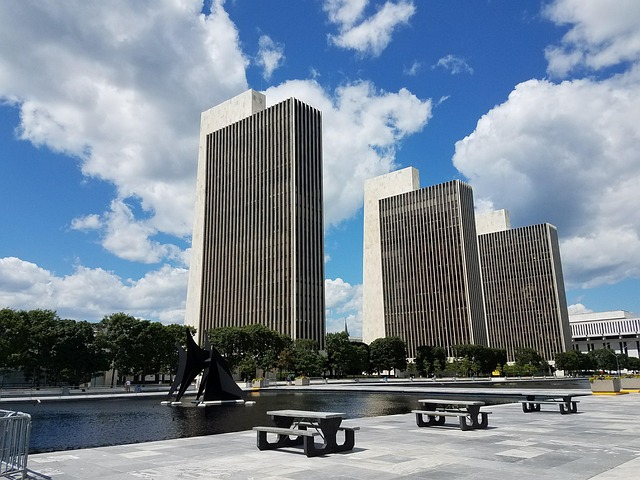
In the dynamic landscape of commercial building operations, understanding the fundamentals of HVAC (Heating, Ventilation, and Air Conditioning) system design is paramount for Albany’s evolving business environment. Commercial HVAC system design in Albany involves a complex interplay of factors unique to the region’s climate, architectural designs, and energy efficiency goals. Effective design requires meticulous planning, leveraging advanced technologies, and custom solutions tailored to individual facilities.
One key aspect is optimizing energy performance while ensuring occupant comfort. Albany’s cold winters and warm summers necessitate robust heating and cooling systems that adapt to varying demands. Expert HVAC engineering services in the Albany area increasingly incorporate intelligent controls, variable speed drives, and high-efficiency equipment to achieve significant energy savings. For instance, a study by the U.S. Department of Energy found that implementing advanced HVAC controls can reduce energy consumption by up to 20% in commercial buildings.
Commercial building HVAC upgrades in Albany NY are not just about efficiency; they’re an investment in sustainability and cost control. Custom commercial HVAC solutions designed with the latest innovations can enhance indoor air quality, minimize equipment downtime, and extend system lifespan. Consider a case study of a newly constructed office building that implemented a geothermal heat pump system paired with solar thermal panels. This innovative approach not only reduced carbon footprint but also lowered utility costs by 40% compared to traditional systems. As the region continues to prioritize sustainability, adopting such cutting-edge solutions becomes increasingly strategic for Albany’s commercial properties.
Advanced Technologies Transforming Commercial Spaces: An Albany Perspective

In the dynamic landscape of commercial spaces, Albany has emerged as a hub where advanced HVAC technologies are transforming the way we design and operate these environments. The city’s perspective on commercial HVAC system design is characterized by an innovative approach that balances energy efficiency, occupant comfort, and environmental sustainability. Heating & cooling system optimization in Albany isn’t just about cutting costs; it’s a strategic process driven by expert knowledge and cutting-edge solutions.
One of the key aspects driving this transformation is the integration of smart building technologies. For instance, intelligent thermostats and sensor-based controls enable precise temperature management, ensuring that each area receives optimal heating or cooling without unnecessary energy wastage. This is particularly evident in large commercial buildings where zones can be individually controlled, leading to significant energy savings. According to a recent study, smart HVAC systems can reduce energy consumption by up to 30% compared to traditional models, making them an attractive solution for Albany businesses aiming to optimize their space heating & cooling solutions.
Commercial space heating & cooling solutions in Albany are also evolving through the adoption of eco-friendly technologies. Geothermal heat pumps, for example, offer a sustainable alternative to conventional HVAC systems, leveraging the earth’s constant temperature to provide efficient heating and cooling. This approach not only reduces carbon footprint but also provides long-term cost savings. Additionally, high-efficiency VRF (Variable Refrigerant Flow) systems are gaining popularity due to their adaptability and energy-saving capabilities. By varying the flow of refrigerants based on demand, these systems ensure optimal performance while minimizing energy consumption. A successful implementation example in Albany’s downtown area has led to a 20% reduction in energy costs for participating buildings.
To harness these advancements effectively, businesses should seek professional HVAC design consultation tailored to their specific needs. Experts in Albany NY offer valuable insights and expertise in designing efficient commercial HVAC systems, taking into account factors like building size, orientation, and local climate. By collaborating with these professionals, organizations can ensure that their space heating & cooling solutions are not only state-of-the-art but also aligned with the city’s commitment to sustainable and efficient practices. This proactive approach not only benefits the environment but also translates into substantial cost savings in the long term.
Optimizing Comfort and Efficiency: Best Practices for Albany's Commercial HVAC Systems

Optimizing comfort and efficiency is paramount for any commercial space, particularly in Albany’s dynamic climate. Effective HVAC system design for Albany commercial properties involves a delicate balance of factors that contribute to both occupant comfort and energy savings. A comprehensive approach includes regular HVAC audits to identify areas for improvement, leveraging advanced technologies like variable speed drives and smart thermostats, and implementing strategic design principles tailored to the local environment.
For instance, efficient HVAC solutions for office buildings in Albany can significantly reduce energy consumption by up to 30%. This is achievable through system upgrades that incorporate modern heat recovery ventilation (HRV) systems, which not only improve indoor air quality but also reclaim waste heat from exhaust air to preheat fresh intake. By integrating these innovations into the design of commercial HVAC systems in Albany NY, businesses can lower operational costs and enhance their environmental sustainability profile.
Regular HVAC audits are essential for optimizing performance across all types of commercial properties. These audits should assess energy use patterns, identify system inefficiencies, and recommend targeted upgrades. For example, a recent study on local commercial property HVAC audits revealed that simple adjustments like changing air filters and sealing leaks can lead to immediate energy savings of 5-10%. Moreover, proper maintenance scheduling and regular system tuning contribute to longer equipment lifespan and continued operational efficiency.
In the context of Albany’s unique climate challenges, strategic design considerations are crucial. This includes incorporating zone control systems that allow for temperature adjustments in different parts of the building based on occupancy. Such smart controls not only optimize comfort but also ensure energy isn’t wasted on maintaining unoccupied spaces. Additionally, leveraging natural ventilation strategies and designing for cross-breezes can further reduce reliance on mechanical cooling, making Albany’s commercial HVAC system design both effective and sustainable.
The article has provided an in-depth exploration of leading HVAC technology for commercial spaces, focusing on Albany as a case study. Key insights include the importance of understanding fundamental system design principles tailored to Albany’s unique needs, such as advanced technologies enhancing energy efficiency and comfort. By adopting best practices, like optimizing thermostats and leveraging smart controls, commercial HVAC system design in Albany can achieve significant performance gains. Next steps for stakeholders involve implementing these strategies, staying informed about emerging innovations, and collaborating with experts to ensure optimal system performance and longevity. This comprehensive guide equips readers with the knowledge to navigate and revolutionize HVAC management in Albany’s commercial landscape.