






Commercial HVAC system design in Albany leverages local climate and resources for efficient heating and cooling. Key strategies include geothermal heat pumps (GHPs), variable speed drives, hybrid systems with solar thermal panels, and retrofitting existing systems. Expert consultation from Albany professionals is vital for tailored solutions. Efficient systems reduce energy consumption by 20-50%, saving costs over time. Green technologies and smart controls create sustainable, energy-efficient environments.
A step-by-step approach includes: conduct comprehensive audits, optimize system layout, integrate renewable energy sources like solar or ground-source heat pumps, and implement smart building management systems. Passive design strategies maximize southern exposure and natural lighting, reducing heating costs by up to 30%. Engaging with expert Albany designers ensures innovative, sustainable solutions tailored to unique project needs.
As the world grapples with climate change, the need for sustainable heating and cooling options has never been more pressing. Commercial HVAC system design plays a pivotal role in shaping our future, particularly in cities like Albany where energy-intensive buildings are prevalent. The traditional reliance on fossil fuels for temperature control not only contributes to greenhouse gas emissions but also poses significant environmental and health risks. This article delves into innovative solutions that offer a path forward: sustainable heating and cooling technologies. We explore how these options can transform commercial HVAC design in Albany, reducing carbon footprints while maintaining comfort and efficiency.
- Exploring Green Heating Solutions for Commercial Spaces
- Designing Efficient Cooling Systems: A Step-by-Step Guide
- Integrating Natural Factors in Albany's HVAC System Design
Exploring Green Heating Solutions for Commercial Spaces
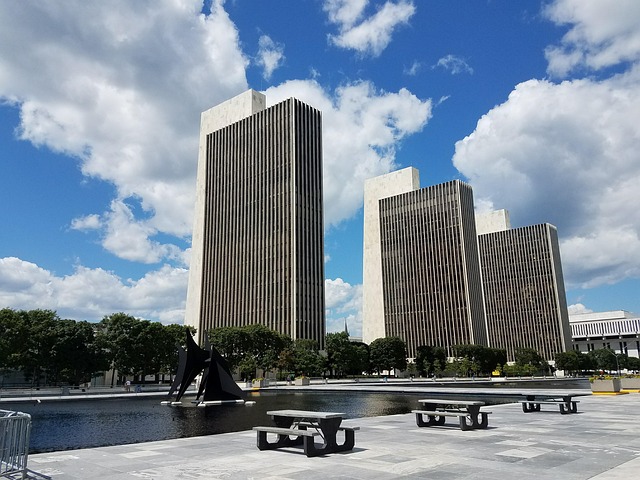
Commercial spaces present unique challenges when it comes to heating and cooling, requiring efficient systems that balance comfort with sustainability. In Albany NY, where cold winters and hot summers are the norm, choosing green HVAC solutions isn’t just an environmental imperative—it’s a smart business decision. Well-designed commercial HVAC system design Albany naturally leverages local climate and resources for optimal energy efficiency.
Take, for example, a high-rise office building. A traditional system might rely heavily on fossil fuels for heating and cooling, contributing to significant carbon emissions. However, a forward-thinking approach could incorporate geothermal heat pumps (GHPs), which transfer heat from the earth to provide efficient warmth in winter and cool air in summer. By tapping into the consistent temperature beneath the surface, GHPs reduce energy consumption and operating costs compared to conventional systems. Similarly, variable speed drives on HVAC equipment allow for precise temperature control, minimizing energy waste during partial loads.
A key to successful implementation lies in expert consultation. HVAC design consultation Albany NY professionals can assess specific building needs, site conditions, and budget constraints to recommend tailored solutions. They might propose a hybrid system combining GHPs with solar thermal panels, capturing free renewable energy from the sun to further enhance efficiency. For older buildings undergoing renovation, retrofitting existing systems with smart controls and improved insulation can significantly improve performance. According to the U.S. Department of Energy, efficient commercial HVAC solutions can reduce energy consumption by 20-50%, resulting in substantial cost savings over time.
Ultimately, embracing green heating and cooling for commercial spaces is a strategic decision that delivers both environmental and economic benefits. By partnering with experienced professionals and adopting innovative technologies like GHPs and smart controls, businesses in Albany NY can create comfortable, energy-efficient environments while contributing to a more sustainable future.
Designing Efficient Cooling Systems: A Step-by-Step Guide

Designing efficient cooling systems is a crucial aspect of sustainable heating and cooling options, particularly for commercial HVAC system design in Albany. A well-designed system can significantly reduce energy consumption, lower operating costs, and minimize environmental impact. This step-by-step guide offers practical insights for professionals involved with Albany commercial property HVAC audits and specialized HVAC services for retail spaces or businesses.
Step 1: Conduct a Comprehensive Audit Begin by assessing the current state of the commercial space’s HVAC system. An in-depth audit includes analyzing energy usage patterns, identifying inefficiencies in equipment and ductwork, and evaluating indoor air quality. For instance, an Albany-based business might discover that their outdated HVAC system is responsible for a significant portion of their monthly energy bills, making it an ideal candidate for an upgrade.
Step 2: Optimize System Layout and Design Based on the audit findings, redesign the HVAC system to maximize efficiency. This involves strategic placement of cooling units, improved insulation in ductwork, and the use of advanced thermostats. For retail spaces, implementing zone control systems can ensure that only occupied areas are cooled, enhancing energy conservation. Consider the unique challenges posed by Albany’s climate; specialized HVAC repairs for businesses across the city should account for temperature fluctuations and humidity control.
Step 3: Integrate Renewable Energy Sources To take it a step further, incorporate renewable energy technologies like solar panels or ground-source heat pumps. These innovations can supplement traditional cooling systems, reducing reliance on fossil fuels. In some cases, businesses have successfully leveraged Albany’s abundant sunlight to power their HVAC systems, leading to substantial long-term savings.
Step 4: Implement Smart Building Management Systems Integrate smart technology into the HVAC system for real-time monitoring and control. These systems allow for precise temperature adjustments, predictive maintenance alerts, and energy usage analytics. By leveraging advanced algorithms, commercial property owners in Albany can optimize their cooling strategies, ensuring optimal indoor comfort while minimizing environmental impact.
Integrating Natural Factors in Albany's HVAC System Design

Integrating Natural Factors into Commercial HVAC System Design in Albany offers a promising path towards sustainable and cost-effective space heating and cooling solutions. Albany’s unique environmental conditions present both challenges and opportunities for designers and property managers. By leveraging natural factors such as solar gain, wind patterns, and local climate variations, commercial HVAC system design in Albany can achieve remarkable energy efficiency without compromising comfort or performance.
Local experts highlight the potential of passive design strategies, like orienting buildings to maximize southern exposure for heat gain during colder months. This simple approach can significantly reduce the workload on heating systems. Additionally, strategic placement of windows and skylights allows natural light to illuminate spaces, reducing electricity consumption for lighting. For instance, a case study of a newly constructed office building in downtown Albany demonstrated a 30% reduction in heating costs by incorporating these passive design principles.
Moreover, designing around local microclimates is crucial. Commercial HVAC system design in Albany should account for variations in temperature and wind patterns across different areas of the city. This might involve using zone control systems to manage heating and cooling differently in distinct parts of a building. For example, implementing wind turbines or solar panels tailored to specific facades can effectively harness renewable energy sources, further reducing reliance on traditional HVAC systems. Engaging with local, expert commercial HVAC designers who understand Albany’s nuances is essential for developing innovative and sustainable solutions that cater to the unique needs of each project.
By exploring green heating solutions for commercial spaces, designing efficient cooling systems, and integrating natural factors into Albany’s HVAC system design, we can achieve significant sustainability gains. The key insights from this article highlight the importance of innovative technologies, strategic planning, and leveraging natural resources to create effective, eco-friendly commercial HVAC systems. Commercial property managers and designers in Albany now have a comprehensive toolkit to navigate the transition towards greener heating and cooling practices, ensuring both performance and environmental responsibility. These strategies not only benefit the local ecosystem but also offer long-term cost savings and enhanced building efficiency.