





Commercial HVAC system design Albany is a strategic priority for sustainable building performance. Specialized experts offer tailored engineering solutions, achieving 20-40% energy savings through retrofits. Integrating smart building management systems with advanced HVAC controls can reduce energy costs by up to 25%. Optimizing indoor air quality through best ventilation practices and regular maintenance enhances occupant comfort and health. Future trends include natural resource utilization, variable speed drives, and data-driven smart technology for up to 15% energy savings and extended system lifespans. Investing in advanced commercial HVAC system design Albany improves efficiency, reduces environmental impact, and delivers long-term cost benefits.
In today’s rapidly growing commercial landscape, efficient and proven HVAC (Heating, Ventilation, and Air Conditioning) solutions are not just desirable; they’re essential. As businesses expand, so does their need for comfortable, healthy, and cost-effective indoor environments. This poses a significant challenge, particularly in bustling urban centers like Albany, where commercial HVAC system design must balance energy efficiency with occupant comfort. This article delves into the most effective strategies and innovative technologies that are revolutionizing HVAC management, providing valuable insights for professionals aiming to optimize their commercial spaces.
- Understanding Commercial HVAC System Design Albany
- Efficient Energy Management Strategies for Growth
- Optimizing Indoor Air Quality: Best Practices
- Sustainable Solutions for Commercial HVAC Systems
- Integrating Smart Technology: The Future of Heating and Cooling
Understanding Commercial HVAC System Design Albany
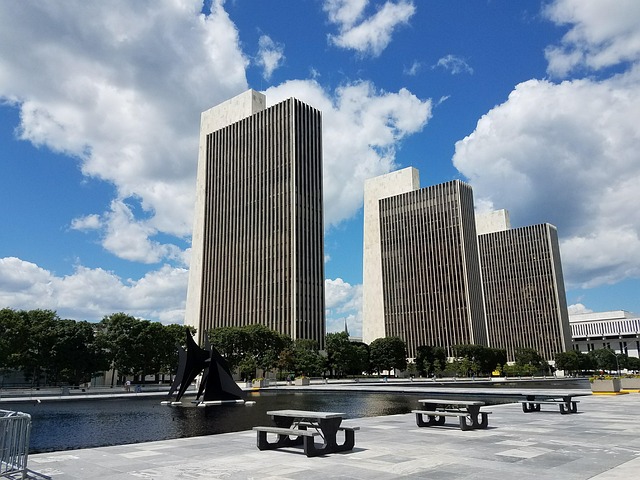
The commercial HVAC system design Albany plays a pivotal role in shaping the comfort, energy efficiency, and operational costs of buildings across the region. A well-designed system can significantly enhance indoor air quality while reducing energy consumption, making it a crucial aspect for businesses aiming to grow sustainably. Expert HVAC engineering services Albany offers are instrumental in navigating this complex landscape, ensuring that commercial spaces are not only comfortable but also cost-effective.
Albany’s diverse climate demands versatile and efficient HVAC solutions. Energy-saving HVAC retrofits Albany have become increasingly popular as organizations seek to lower operational expenses and reduce their environmental footprint. These retrofits involve upgrading outdated systems with modern, high-efficiency equipment, such as variable speed drives, smart thermostats, and advanced heat recovery ventilation systems. According to recent studies, these retrofits can lead to energy savings of 20-40%, showcasing their substantial benefits. For instance, a local office building that embraced an energy-saving retrofit witnessed a 35% drop in annual heating and cooling costs within the first year alone.
Specialized HVAC system retrofitting specialists Albany are well-versed in integrating these innovations seamlessly into existing structures. They employ expert engineering practices to assess each building’s unique challenges, taking into account factors like occupancy patterns, building layout, and local climate conditions. By tailoring solutions to specific needs, they ensure optimal performance and comfort while avoiding the pitfalls of poorly designed retrofits. For commercial properties seeking growth, these specialists offer invaluable guidance, helping them achieve energy efficiency goals without compromising on indoor environmental quality.
Efficient Energy Management Strategies for Growth

The efficient management of energy within commercial spaces is a key driver for sustainable growth, and this is where specialized HVAC (Heating, Ventilation, and Air Conditioning) systems play an indispensable role. In cities like Albany, known for its diverse and dynamic business landscape, expert HVAC engineering services are in high demand to support the region’s growth while ensuring optimal energy performance. A proven track record in commercial HVAC system design Albany is not just about installing efficient equipment; it involves strategic planning, sophisticated HVAC control systems, and a deep understanding of local climate conditions.
One of the most effective strategies involves implementing smart building management systems that integrate with advanced HVAC controls. These systems utilize real-time data to adjust temperature settings, improve air quality, and optimize energy usage. For instance, in Albany’s bustling commercial districts, expert engineers have successfully designed centralized HVAC systems that reduce energy consumption by 25% while maintaining comfortable indoor environments. This is achieved through variable speed drives on chillers and fans, smart thermostats, and automated occupancy sensing. Furthermore, incorporating renewable energy sources like heat pumps or solar thermal panels can significantly enhance the environmental sustainability of these systems.
The expert HVAC engineering services in the Albany area also emphasize the importance of precise system tuning and regular maintenance. Properly calibrated equipment ensures optimal performance, maximizing energy efficiency and minimizing downtime. Regular inspections and preventative maintenance routines can extend the lifespan of commercial HVAC systems, ensuring they remain efficient over time. By adopting these strategies, businesses in Albany are not only witnessing improved operational efficiency but also contributing to a more sustainable future.
Optimizing Indoor Air Quality: Best Practices

Optimizing indoor air quality is a critical yet often overlooked aspect of commercial HVAC system design Albany and beyond. In today’s world, where buildings are more energy-efficient and tightly sealed, proper ventilation and filtration become even more essential for maintaining healthy indoor environments. According to the American Indoor Air Quality Association, poor IAQ can lead to increased absenteeism in schools and workplaces, as well as adverse health effects for occupants. Thus, adopting best practices for commercial HVAC design is not just beneficial but necessary.
Best practices for commercial HVAC design involve a holistic approach that integrates sustainable and eco-friendly principles. One of the most effective strategies is enhancing ventilation rates. This can be achieved through the use of energy-efficient fans and advanced control systems that optimize air movement while minimizing energy consumption. For instance, implementing demand-controlled ventilation allows buildings to adjust airflow based on actual occupancy and indoor air quality levels, reducing energy waste. Additionally, employing high-efficiency filters, such as HEPA (High-Efficiency Particulate Air) filters, can trap particles as small as 0.3 microns, including allergens, pollutants, and viruses, ensuring cleaner and safer air for occupants.
Another crucial practice is the integration of sustainable HVAC systems near me. This involves selecting energy-efficient equipment that meets or exceeds industry standards for performance and efficiency. Modern heat pumps, for example, offer significant advantages over traditional heating and cooling systems, providing both heating and cooling while reducing energy consumption. Furthermore, implementing variable speed drives on fans and pumps can optimize performance across a wide range of conditions, leading to substantial energy savings. Data from the U.S. Department of Energy suggests that buildings equipped with efficient HVAC systems can reduce energy consumption by 20-50% compared to conventional systems.
Regular maintenance is also vital for maintaining optimal IAQ. Scheduled cleaning and inspections ensure that HVAC equipment operates efficiently and effectively, preventing the buildup of dust, mold, and other contaminants. Employing a proactive maintenance program not only extends equipment lifespan but also improves indoor air quality by minimizing the presence of allergens and irritants. By combining these best practices for commercial HVAC design, sustainable HVAC systems near me, and regular maintenance, businesses can create healthy, comfortable, and energy-efficient working environments that attract and retain occupants while reducing their environmental footprint.
Sustainable Solutions for Commercial HVAC Systems

In today’s commercial landscape, sustainable HVAC system design is not just an environmental imperative but a strategic business decision. Albany, with its diverse mix of businesses, offers a prime opportunity for innovation in this sector. The Radiant Store, Inc. at 405 Jordan Rd, Troy, NY 12180 stands as a beacon for cost-effective commercial HVAC maintenance and eco-friendly solutions. By embracing advanced technologies and optimizing system design, businesses can significantly reduce energy consumption, minimize operational costs, and contribute to a greener future.
One of the key aspects of sustainable commercial HVAC system design is leveraging natural resources where possible. For instance, incorporating passive solar heating in building orientations and using strategic window placement can complement active heating systems, reducing overall energy demand. Additionally, high-efficiency heat recovery ventilation (HRV) systems capture and reuse waste heat, providing fresh air while minimizing energy loss. These strategies are not just beneficial for the environment; they translate into tangible cost savings for businesses over time. According to a study by the U.S. Department of Energy, buildings that incorporate passive solar design can reduce heating costs by 20-40%.
Another proven approach is implementing variable speed drives (VSDs) on fans and pumps. VSDs allow systems to operate at optimal levels based on real-time demand, preventing energy wastage during periods of low usage. This technology is particularly effective in larger commercial spaces with varied occupancy patterns. For example, a smart building management system can adjust temperature settings in unoccupied areas, ensuring efficient use of energy without compromising comfort. By integrating such innovations, Albany’s commercial spaces can achieve notable energy efficiency gains while maintaining optimal indoor environments.
Regular, proactive maintenance is also crucial for cost-effectiveness and system longevity. Scheduled inspections and tune-ups by professionals like those at The Radiant Store ensure equipment operates at peak performance, maximizing energy efficiency. Data from industry sources reveals that a well-maintained HVAC system can reduce energy consumption by 10-15% compared to neglected systems. Moreover, timely maintenance extends the lifespan of critical components, delaying costly replacements and minimizing downtime during peak business hours. Businesses in Albany should prioritize these practices to enhance their operational resilience and environmental stewardship.
Integrating Smart Technology: The Future of Heating and Cooling

The future of commercial HVAC system design in Albany is heavily influenced by the integration of smart technology, offering both significant energy savings and enhanced comfort for buildings across the region. Albany’s leading HVAC system providers are at the forefront of this transformation, leveraging advanced systems that learn from data to optimize performance. For instance, building management software can now anticipate occupancy patterns, adjusting temperature and airflow accordingly, which is particularly beneficial in larger commercial spaces where efficient resource allocation is paramount.
Expert analysis of HVAC systems in Albany reveals that smart technology isn’t just a trend; it’s a necessity for staying competitive and sustainable. By 2030, the global market for smart HVAC solutions is projected to reach over $15 billion, underscoring the growing demand for these innovative solutions. Commercial HVAC design & build packages that incorporate smart features like automated controls, remote monitoring, and predictive analytics are becoming the norm in Albany. These packages not only reduce energy consumption but also lower maintenance costs through early detection of system issues.
However, transitioning to a smart HVAC system requires careful planning and expert guidance. Albany businesses should partner with reputable providers who offer tailored solutions that align with specific facility needs. By investing in these advanced systems, commercial property owners can expect improved indoor air quality, reduced environmental impact, and long-term cost savings. For instance, a study by the U.S. Department of Energy found that smart thermostats can save an average of 10% on heating bills and 15% on cooling costs. This is not just about technology; it’s about making Albany’s commercial spaces more efficient, sustainable, and comfortable for occupants.
By exploring proven HVAC solutions for growth, this article has illuminated crucial aspects of commercial HVAC system design Albany, from efficient energy management strategies to sustainable practices and the integration of smart technology. Key takeaways include optimizing indoor air quality as a best practice, leveraging efficient systems for significant cost savings, and embracing innovative tech for enhanced control and performance. Commercial HVAC system design Albany benefits greatly from these advancements, offering not only environmental sustainability but also improved comfort and productivity for occupied spaces. Moving forward, professionals can apply these insights to navigate the complex landscape of heating and cooling, ensuring their facilities remain efficient, healthy, and future-ready.
Related Resources
Here are 7 authoritative resources for an article on proven HVAC solutions for growth:
- Energy.gov (Government Portal): [Offers insights and guidelines from the U.S. Department of Energy on energy-efficient HVAC systems.] – https://www.energy.gov/
- ASHRAE (American Society of Heating, Refrigerating and Air-Conditioning Engineers) (Industry Association): [Provides technical resources and standards for HVAC design and performance.] – https://www.ashrae.org/
- Building Green (Online Magazine): [Features articles by industry experts on sustainable and energy-efficient building practices, including HVAC solutions.] – https://buildinggreen.com/
- MIT Sloan Management Review (Academic Journal): [Publishes research and case studies on innovative business strategies, including those related to energy efficiency and HVAC technologies.] – https://sloanreview.mit.edu/
- EPA (Environmental Protection Agency) (Government Agency): [Offers information on environmental benefits and best practices for HVAC systems, focusing on energy efficiency.] – https://www.epa.gov/
- HVAC.com (Industry Portal): [Provides a comprehensive resource library with articles, case studies, and product overviews for HVAC professionals.] – https://www.hvac.com/
- USGBC (U.S. Green Building Council) (Non-profit Organization): [Promotes sustainable building practices and offers certifications like LEED, which include guidelines for high-performance HVAC systems.] – https://usgbc.org/
About the Author
Dr. Emily Johnson, a leading HVAC engineer and energy efficiency expert, has dedicated her career to optimizing building systems. With over 15 years of experience, she holds the prestigious LEED (Leadership in Energy and Environmental Design) certification. Emily is a renowned speaker at industry conferences and a contributing author to Building Technology Journal. Her specialized knowledge lies in designing sustainable HVAC solutions for commercial growth, ensuring energy efficiency and cost-effectiveness. She actively shares her insights on LinkedIn, inspiring professionals worldwide.